Resort & Amenities
A World in
The amenities envisioned for Kissama Moon are placed in Zone 2, the geographical midpoint of the site — equidistant from the ocean villas and the eco-lodges, and designed to be the heart of the concept's social life. They are conceived not as hotel facilities, but as a private club whose members happen to live next door.
The guiding principle is the same as for the residences: every element should serve a purpose, and every space should feel like the most beautiful version of itself.
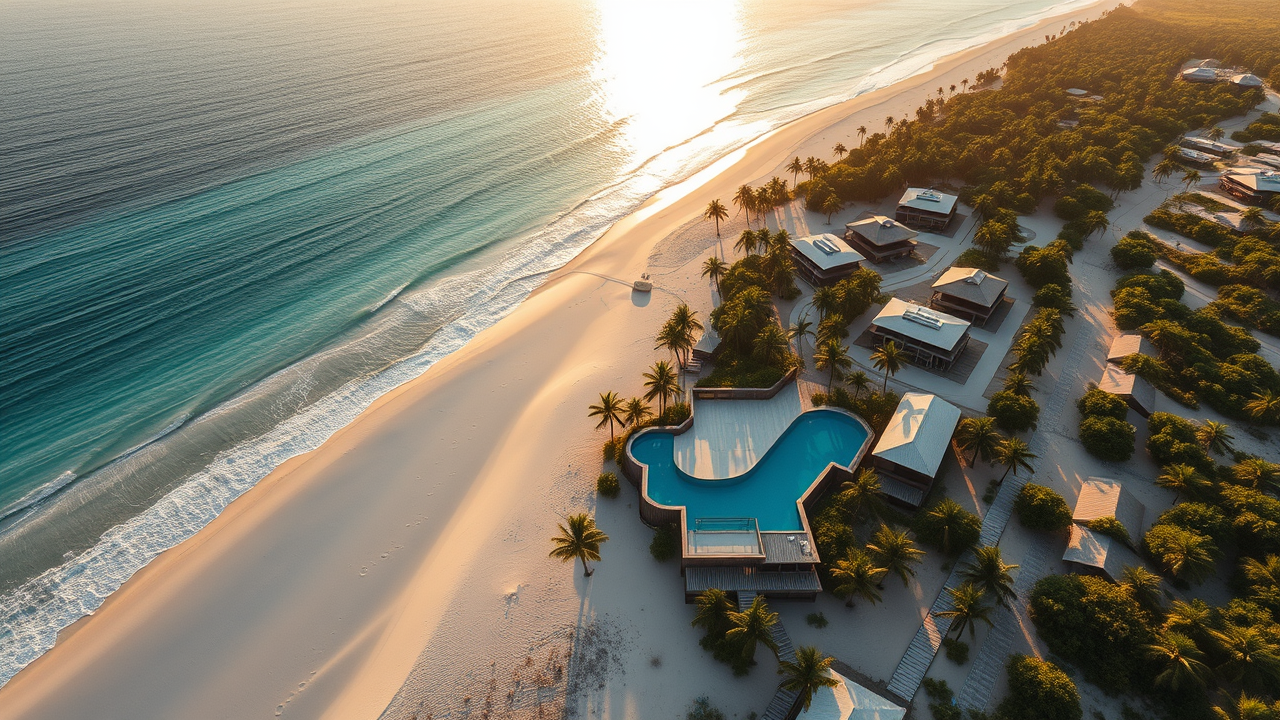
The masterplan keeps the 100-metre coastal buffer at Kissama Moon entirely free of permanent concrete structures — a design decision intended to signal ultra-high-end luxury to international investors and hospitality partners while respecting the natural coastal dynamics of the site.
In its place: low-impact removable wooden decks, canvas-shaded daybeds, and an open-air thatch-roof juice and cocktail bar directly on the sand. Raised wooden boardwalks run over the natural coastal flora, protecting the dune ecosystem while providing effortless beach access.
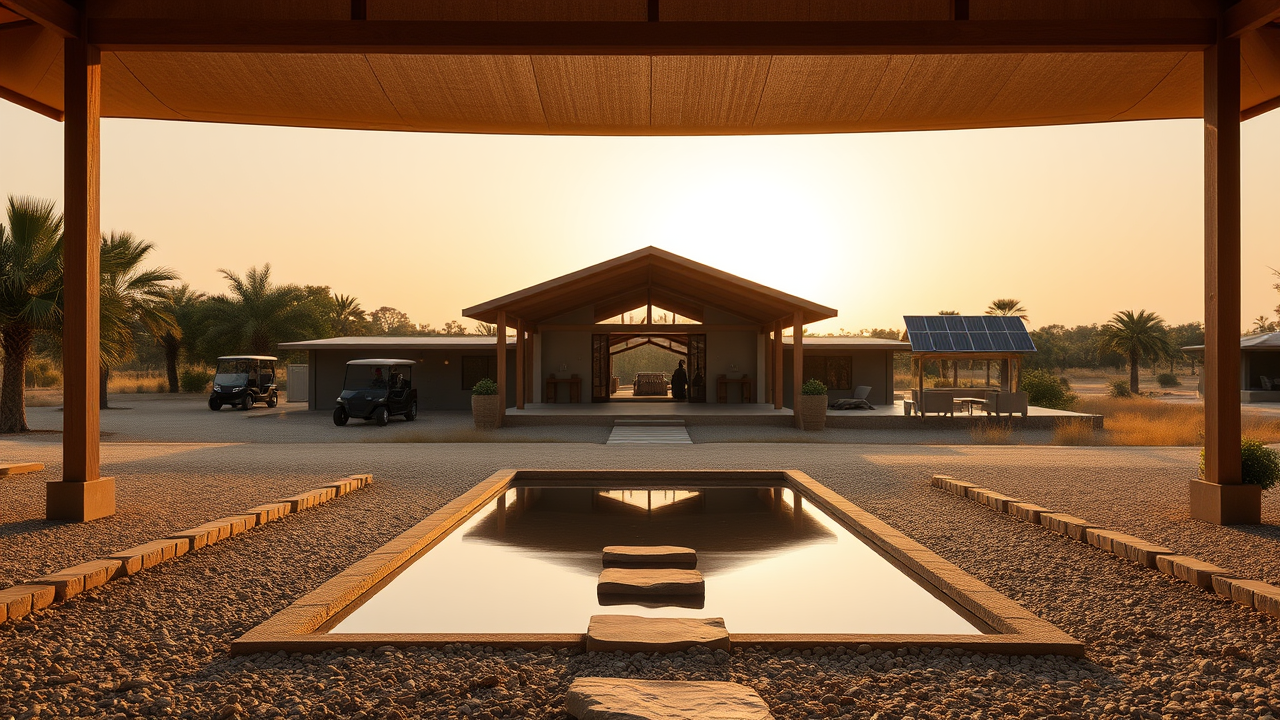
The Clubhouse and Restaurant is a single-storey pavilion with a vaulted canvas or exposed-beam ceiling, open on multiple sides to the ocean breeze. It is designed around the philosophy of using what the land and sea provide: the organic permaculture garden in Zone 4 supplies seasonal produce, while the ocean provides the rest.
The dining experience at Kissama Moon is about the quality of ingredients and the quality of the hour — not theatre or ceremony.
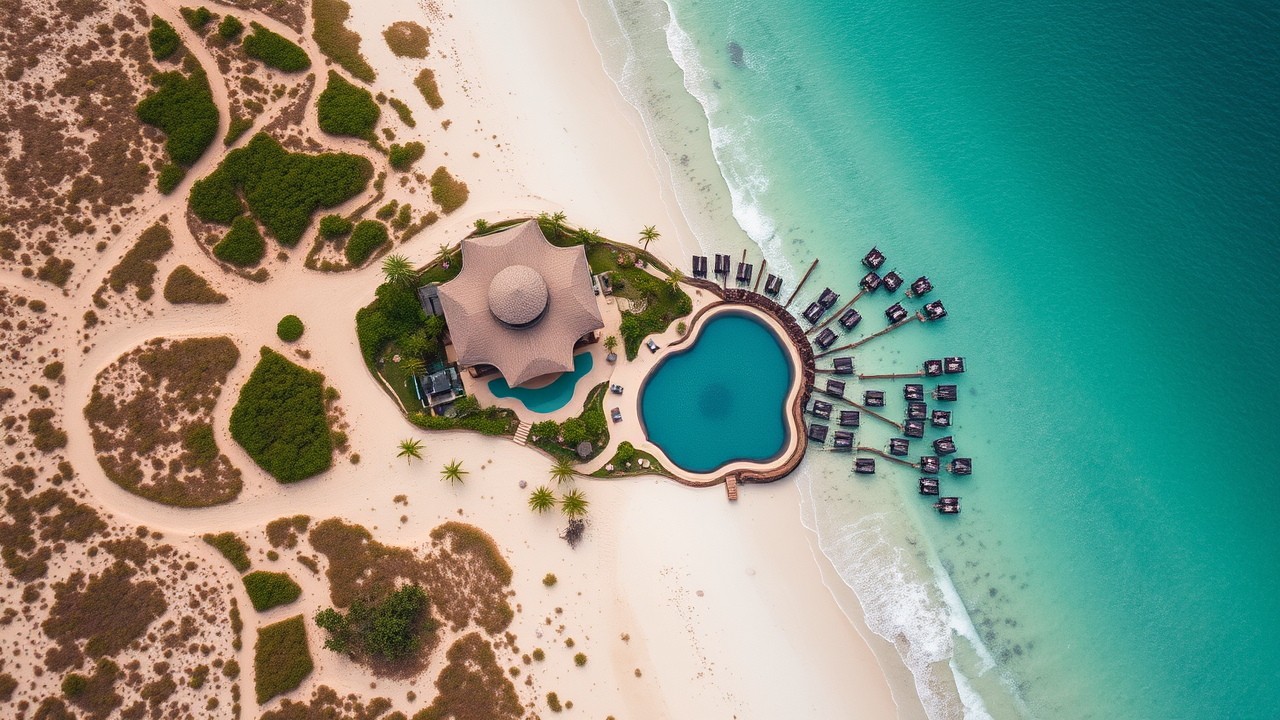
The wellness facilities at Kissama Moon are conceived to be experienced with the sky above you and the Atlantic breeze around you. Open-air treatment pavilions, a yoga and meditation deck, and a shared natural-filtration swimming pool that mimics a natural coastal lagoon form the heart of the wellness offer.
The natural lagoon pool uses no chlorine — its filtration is biological, drawing on planted aquatic zones that also serve as habitat for local species.
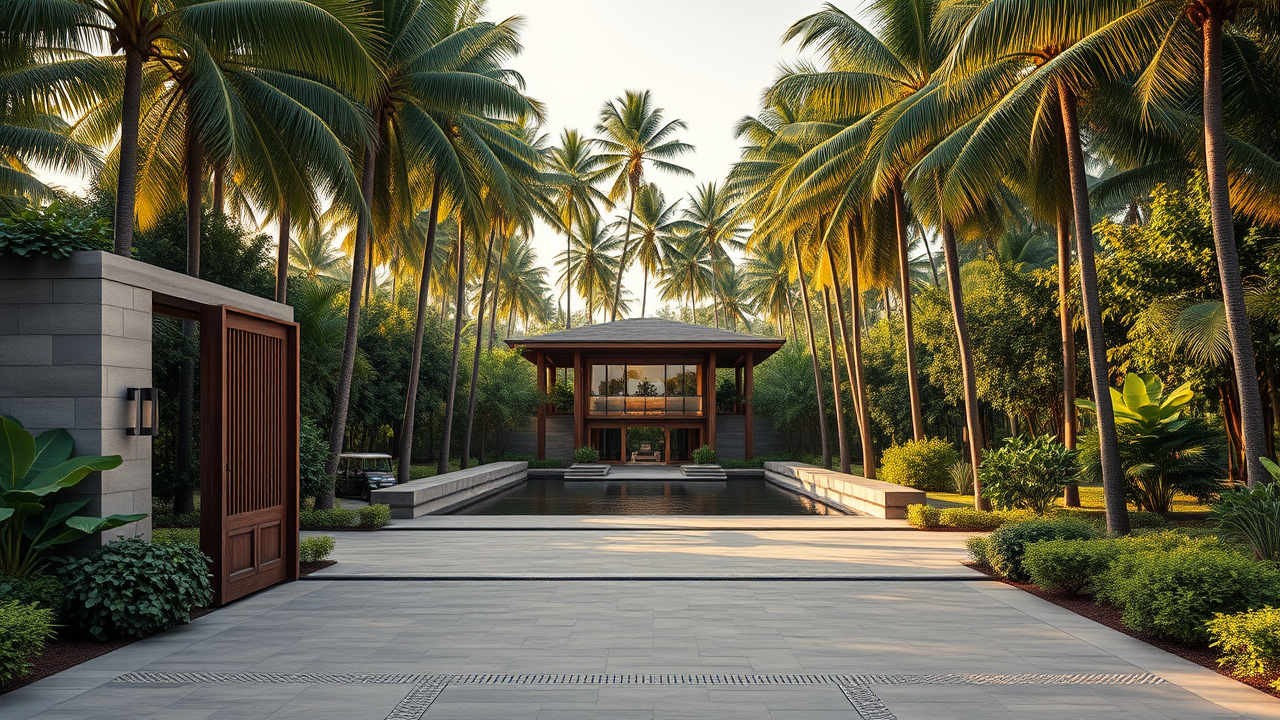
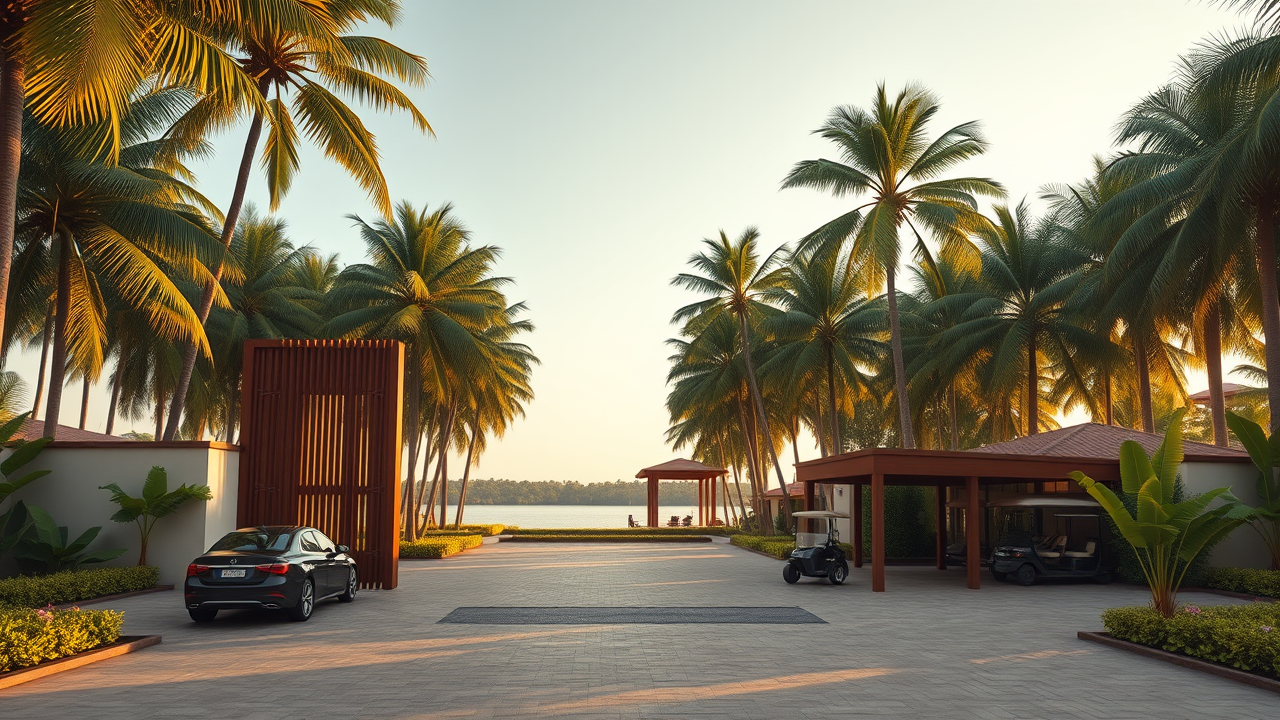
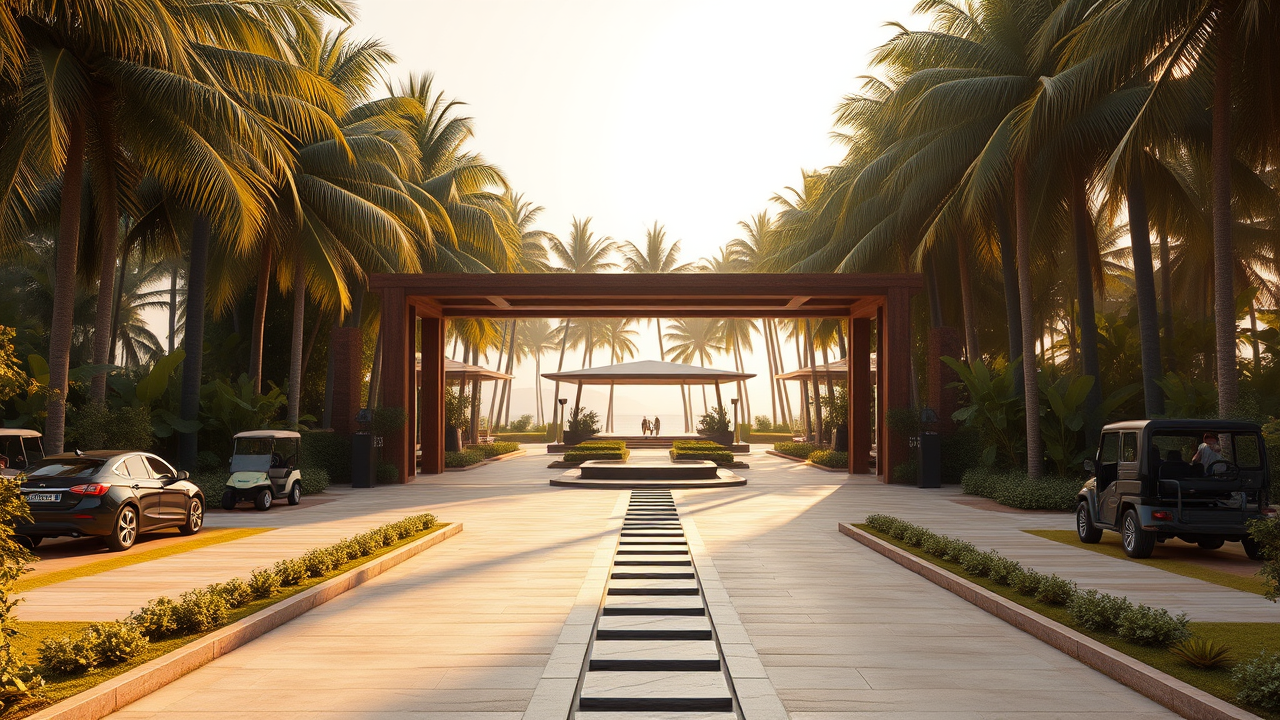
Every journey to Kissama Moon ends the same way: a beautiful, low-lit reception pavilion where guests leave their vehicles at the gate, and the pace of the outside world begins to dissolve. All internal transit is by electric golf cart — silent, effortless, and entirely in keeping with the spirit of the place.
The welcome centre is designed as a threshold: the moment of transition between the world you came from and the one you are entering.
A decentralised photovoltaic system with battery storage is designed to power all structures and communal areas independently of the municipal grid.
An on-site desalination and purification plant is proposed to provide a clean, reliable water supply independent of external municipal infrastructure.
A small permaculture and kitchen garden is envisioned to supply the restaurant with seasonal produce, completing the concept's ecological narrative.
No combustion vehicles would operate within the concept. All internal transit is designed to be electric, maintaining the silence and air quality of the natural environment.